The 9 best data enrichment tools in 2026
Written for vendors who want to put enrichments into their agents. Pick your next database or live stream.

Data enrichment tools at a glance
| Tool | Lane | Strongest at | Pricing |
|---|---|---|---|
| Signalbase | Live stream + enrichment | Complete company profiles, sources attached | Per signal |
| ZoomInfo | Database | Contacts, firmographics, intent | Sales-led |
| Apollo | Database | Contacts plus outreach in one seat | Per seat |
| Cognism | Database | Phone-verified, EMEA compliance | Sales-led |
| Lusha | Database | Verified contacts plus buying signals | Per seat |
| People Data Labs | Database | People data sourced at scale | Per record |
| Crunchbase | Database | Funding and investor records | Per seat |
| FullContact | Database | Identity resolution | Sales-led |
| Limadata | Watcher | Polled watches with webhook delivery | Per credit |
Did you know that eight of the nine data enrichment tools on this list answer the same question? Hear me out on this one.
Most data enrichment software solves this the same way. You licence a data enrichment API, and it returns the fields that describe an account:
- An email address, a direct dial, a job title.
- Headcount, industry, location, technology.
- All of it drawn from a corpus refreshed on a cycle you do not set.
That is genuinely useful, and for most of what a product needs it is the right purchase. It answers who. What it does not answer is when: whether the company raised last week, hired a VP of Sales, or lost the person who would have signed.
Eight of these tools licence contact data out of a database. Yet signal-based enrichment should be about having the freshest signal from a dedicated domain, stacked into a complete company profile, so your agentic layers get the full picture.
A note on scope. This page is written for builders, so every tool on it licences data you can ship inside your own product. Seat based apps and CRM add-ons are a different purchase, and you will find those in the omissions at the bottom.
With that in mind, here are the data enrichment tools worth knowing and the job each one is best at.
What is B2B data enrichment?
B2B data enrichment is adding information to company and contact records you already hold, so a thin row becomes something your team or your product can act on. In practice the category splits by what gets added and where it comes from.
Contact and firmographic enrichment fills in the fields that describe an account. Email, phone, job title, headcount, industry, technology. These come from a database, and they are what almost every tool in this category sells.
Signal enrichment adds what happened at that account. A funding round, a senior hire, an executive departure, an acquisition. These are events, they carry a timestamp and a source, and they stack into one profile for the company.
Both are enrichment. Most teams running outbound need both, and buying only the first is how you end up with a perfectly complete list that nobody knows when to contact.
Two kinds of data enrichment: database or live stream
Read three data enrichment tool comparisons and you will see the same nine companies. Read them closely and you will notice two things they share. Almost all of them are selling contact data, an email address or a direct dial or a job title, plus the firmographics around it. That is what "enrichment" has come to mean in this category, and it is why the lists argue about US depth, regional phone verification and CRM nativeness.
The second thing they share is an architecture: a database. Someone collected those records, they sit in a corpus, and a refresh cycle updates them on a schedule you do not control.
We do something different on both counts. Signalbase delivers signals stacked into a complete company profile: the funding round, the senior hire, the exec who just left, the acquisition, assembled into one record for that company with the source URL on every field. A contact provider gives you somebody to email. This gives you the reason to.
How we chose these data enrichment tools
We did not score these out of ten. A composite number hides the only thing that matters, which is whether a tool does the job you actually have.
First cut: which architecture. Database enrichment or event enrichment. A tool is only comparable to others in its own lane, and comparing across lanes is how buyers end up disappointed.
Second cut: what you can build on it. A browser extension, an app and a licensed API are three different purchases even when the underlying records are similar.
Third cut: where it stops. Every entry below names its own limit, including ours. A guide where the author's product has no weaknesses is an ad.
Live stream enrichment tools
Two entries, because few vendors sell event detection as a layer you can licence. Teams that want it commonly build it in house out of scrapers and alerts. The difference from the lane below is detection rather than delivery.
Signalbase
Live stream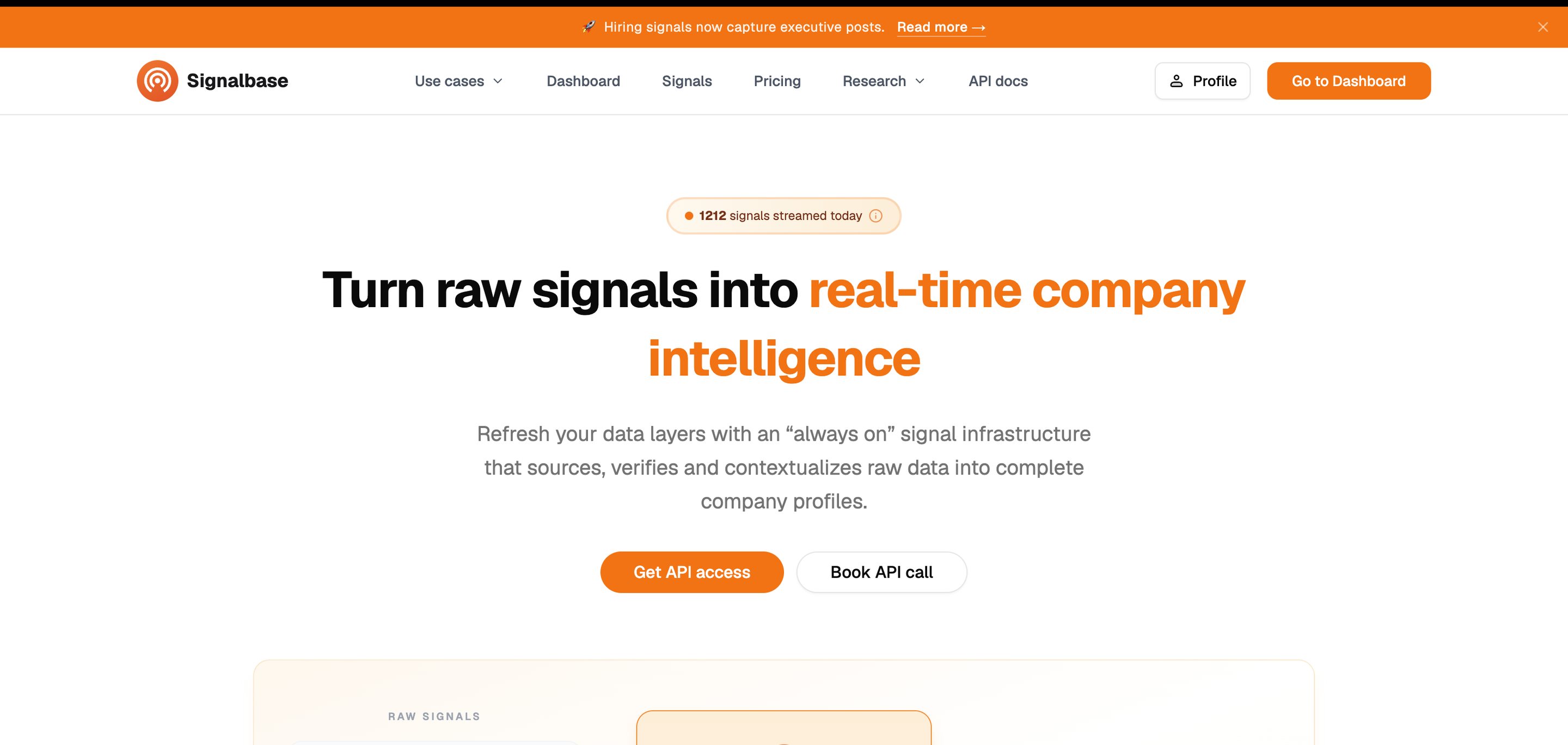
Crunchbase
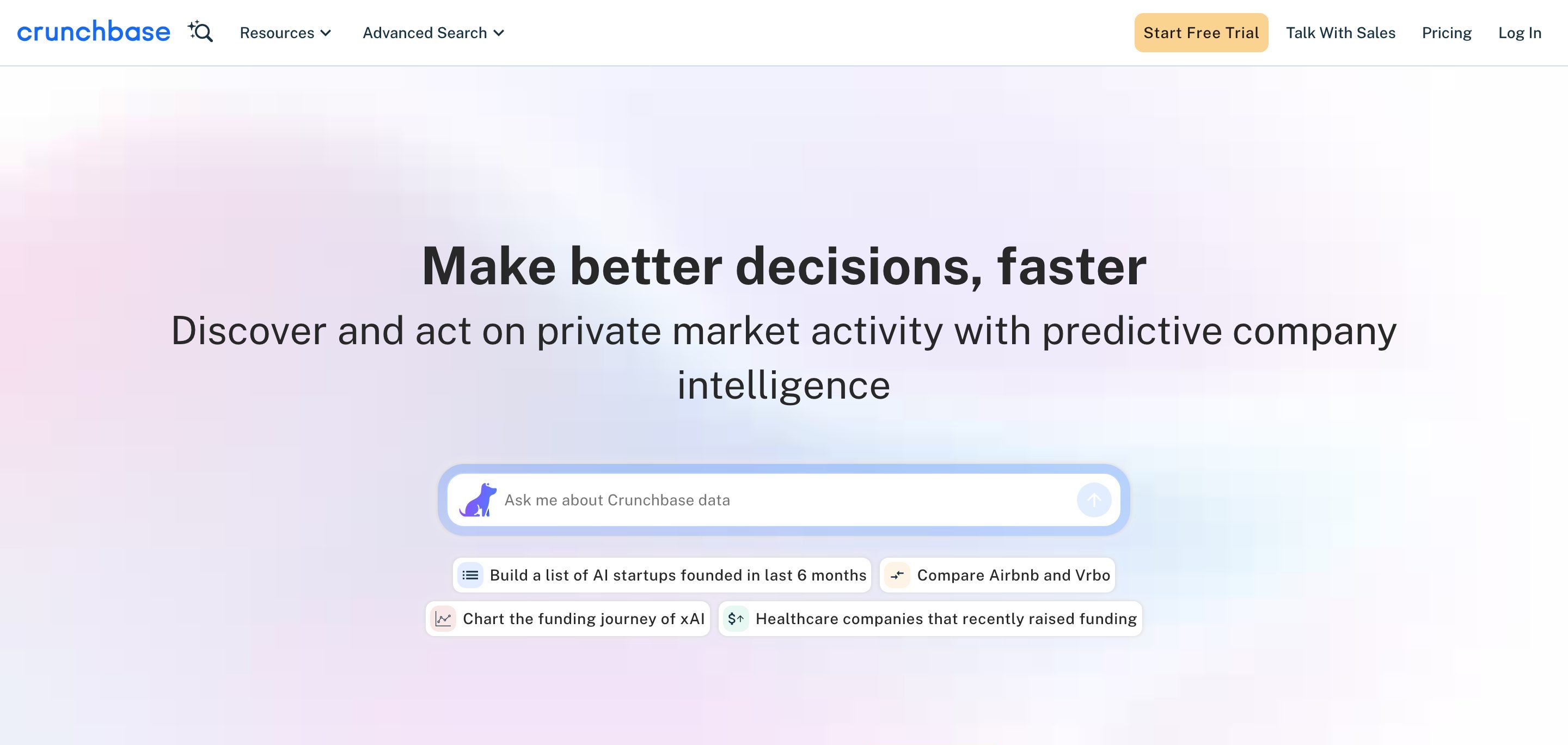
Database enrichment tools
The larger lane, and the one worth buying carefully, because within it the differences are real. US depth, EMEA phone verification, licence terms and record volume all pull in different directions, and the right pick depends on which of those your product depends on.
ZoomInfo
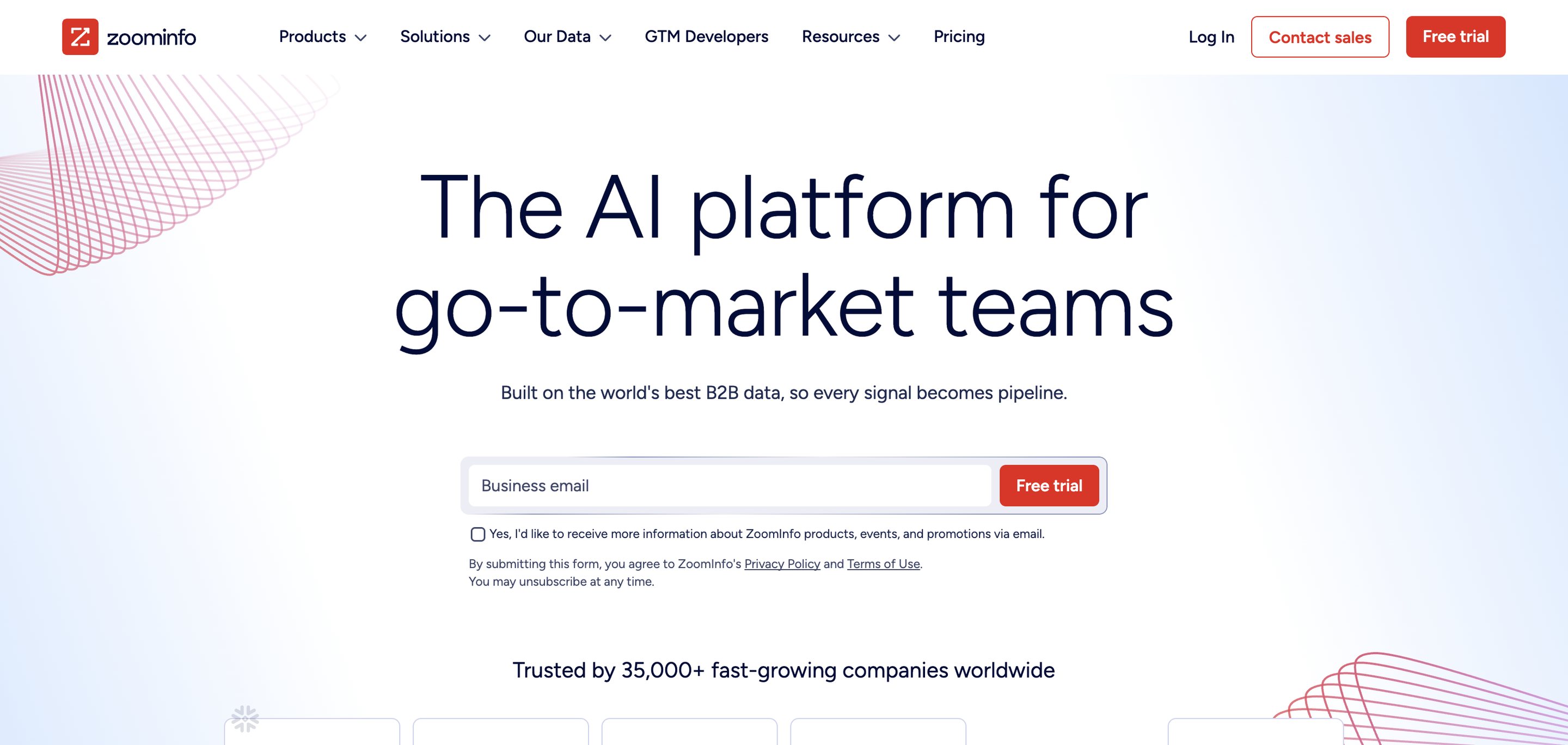
Apollo
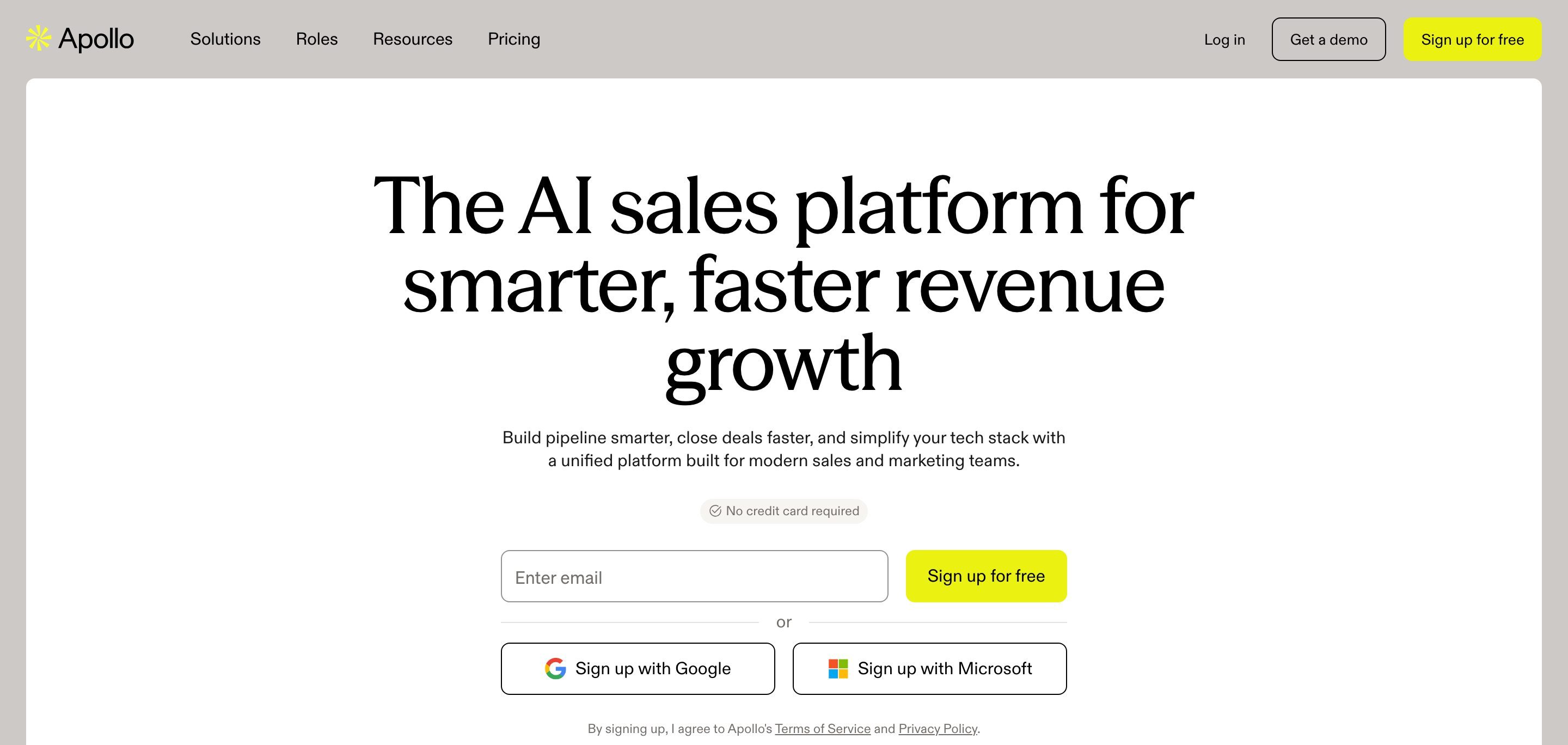
Cognism
Lusha
People Data Labs
FullContact
Limadata
Which data enrichment tool do you need?
Why do you need a live stream next to your B2B enrichment capabilities?
Every record you buy starts aging the moment it lands. Roughly a fifth of B2B contact data turns over in a year, and the decay is uneven: headcount drifts over quarters while a job title can be wrong the day someone moves. That is why CRM data enrichment is a standing line item rather than a project you finish.
This is the stock-versus-flow distinction, and it is architectural. A database is a stock: a snapshot on a refresh cycle, often around 30 days, which is right for research and wrong for a window measured in days. An event is a flow: it arrives when it happens, and a list exported last month cannot contain this morning's funding round.
The practical answer is not to pick a side. Use a database to decide which companies fit and a stream to decide which of them is worth a message this week. We measured how much that timing is worth in our study of 474 funded companies: a median of 35 days between a round closing and the first job posting, with the fastest movers inside two weeks.
Data enrichment tools that didn't make the list
Clay and Breeze Intelligence both appear on every other enrichment list and both do their job well. They are out of this one because of who this page is for. Clay orchestrates vendors inside a table your GTM team works in, and Breeze fills fields inside HubSpot. Neither is a data layer you can licence and ship inside your own product.
Snov.io, RocketReach, LeadIQ and SalesIntel are credible contact tools that sit close enough to Apollo and Lusha that including all of them would pad the list without helping you choose.
Experian, Melissa, AWS Data Exchange and Snowflake Marketplace appear on other lists but answer different questions: address hygiene and data-marketplace distribution rather than GTM enrichment.
Leadspace is a credible enterprise buyer graph, but we have not run it at enough volume to write an honest limit for it, and a "where it stops" we cannot stand behind is worse than an omission.
Discover the latest signals for dedicated accounts at scale
Bring relevance back to your users' outreach with live signals.
Start your 7-day trial. 500 credits included.
Data enrichment FAQ
Go deeper
The research behind the freshness argument
The umbrella guide: every signal type sorted, from funding and hiring to website visitors and topic intent.
474 funded startups and a measured window between the round and the first observable hire.
By the time a role is public, the decision is weeks old. Where the earlier evidence lives.