The 9 best B2B buying signal tools for sales teams in 2026
Sorted by signal type: company and people events, engagement on social, and the orchestration layer that routes them into your engine.

Every vendor now calls their data a signal. Hear me out on this one.
The word got popular, so alerts, scores and stale database rows all picked it up. Meanwhile the teams actually winning on signals buy something narrower: a verifiable event, tied to one company, fresh enough to act on this week.
A signal needs verification, context, and somewhere to land inside your engine, a bar we set out in the evolution of signal-based GTM. That is why this guide sorts the 9 best buying signal providers by signal family: company and people events, engagement on social, and the orchestration layer that routes both.
B2B buying signal tools at a glance
| Provider | Signal type | Strongest at | Pricing |
|---|---|---|---|
| Signalbase | Company + people events | Funding, hiring, job changes, M&A in one profile | €200/mo flat |
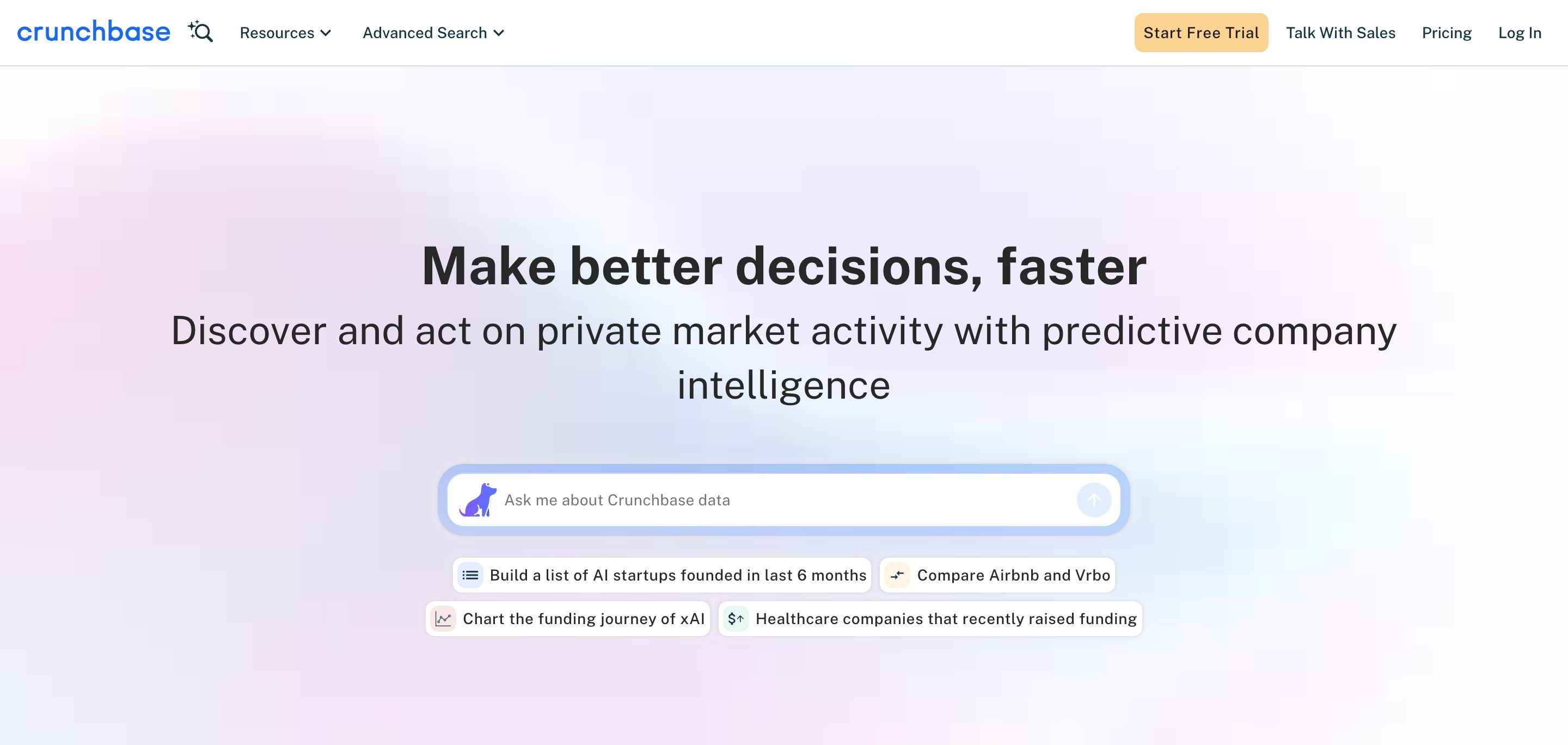
| Crunchbase | Company events | Funding history you can browse | Per seat |
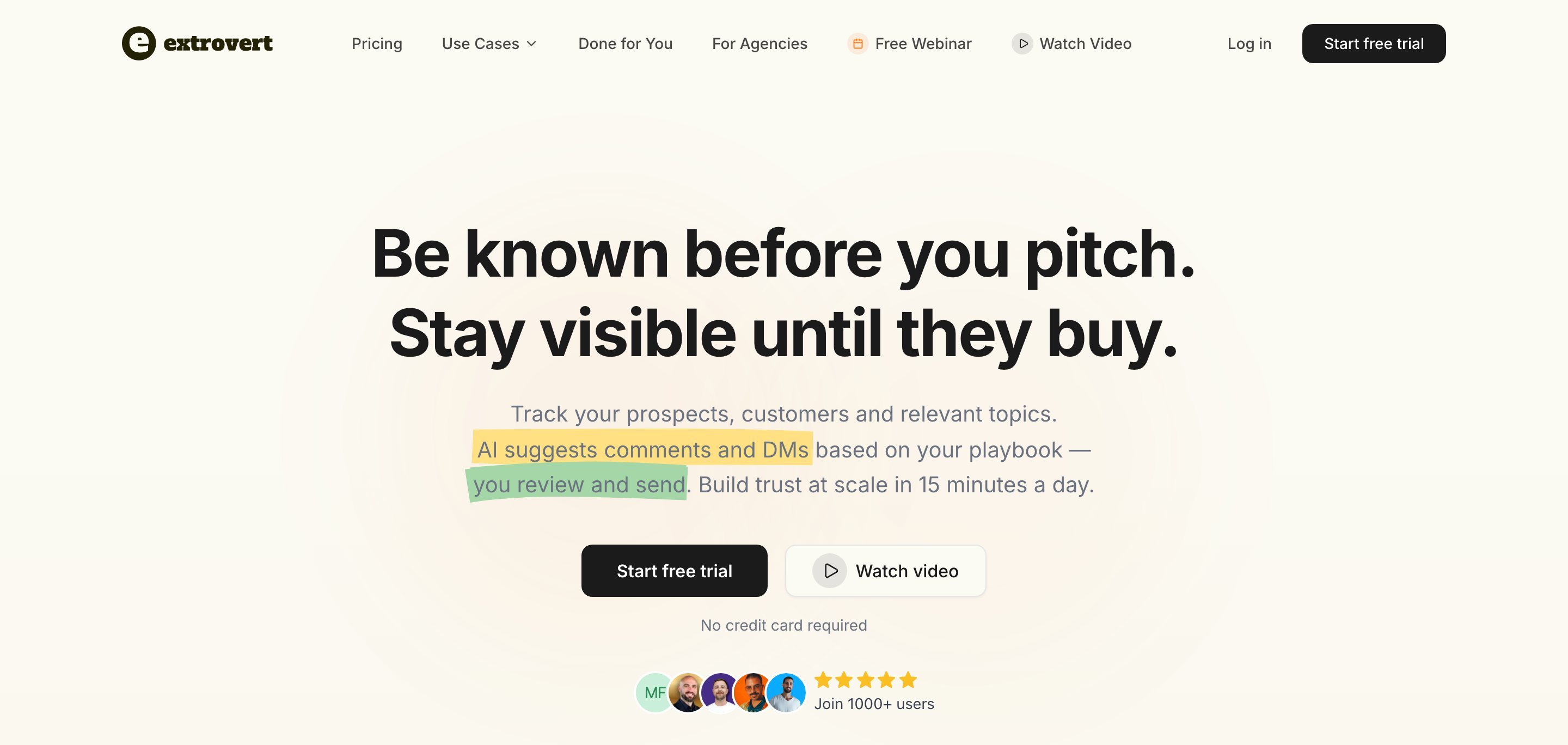
| Extrovert | Engagement | Warm engagement before the pitch | From $49/user/mo |
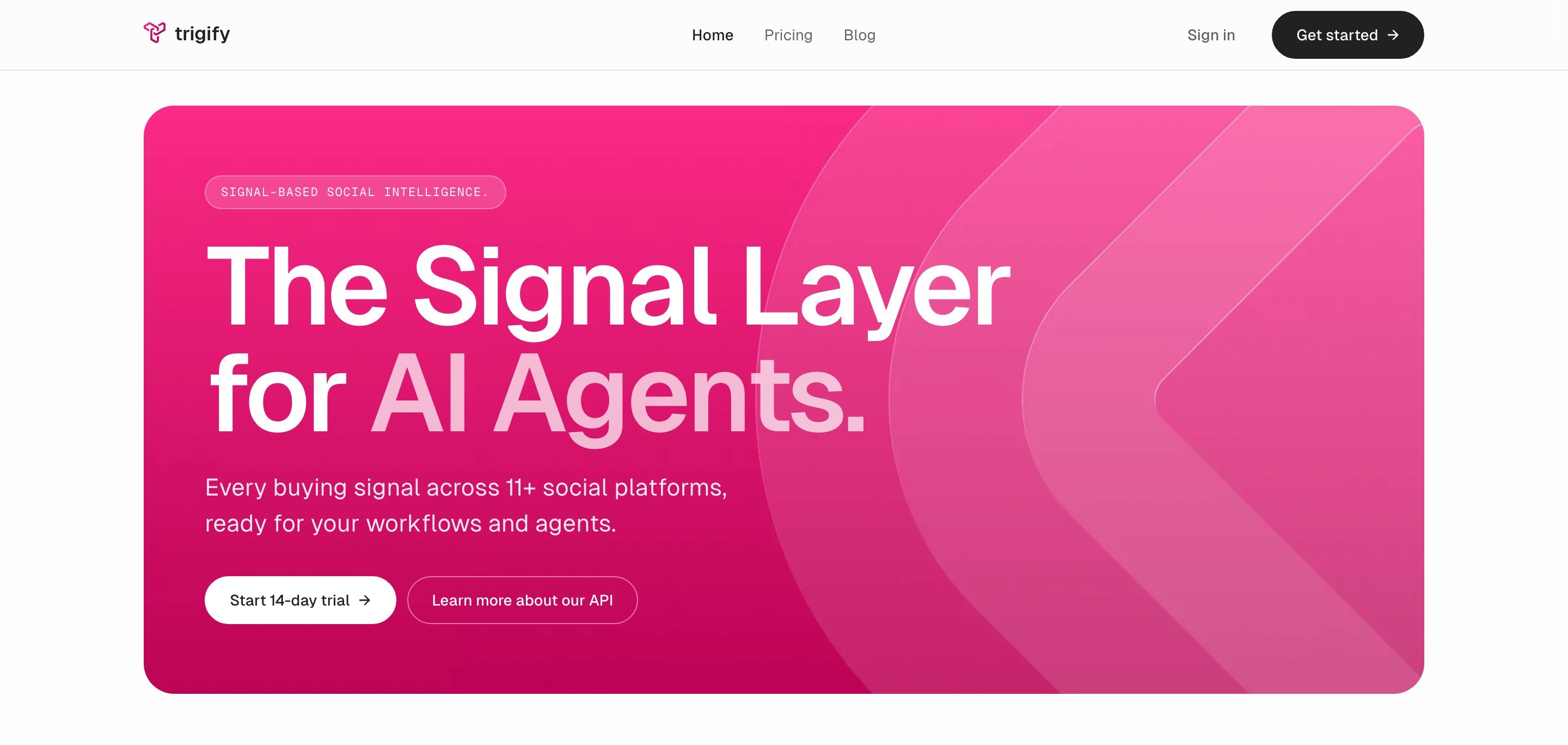
| Trigify | Engagement | Person-level signals across 11+ social platforms | From $40/mo |
| Clay | Orchestration | Waterfalls across 100+ providers | From $167/mo |
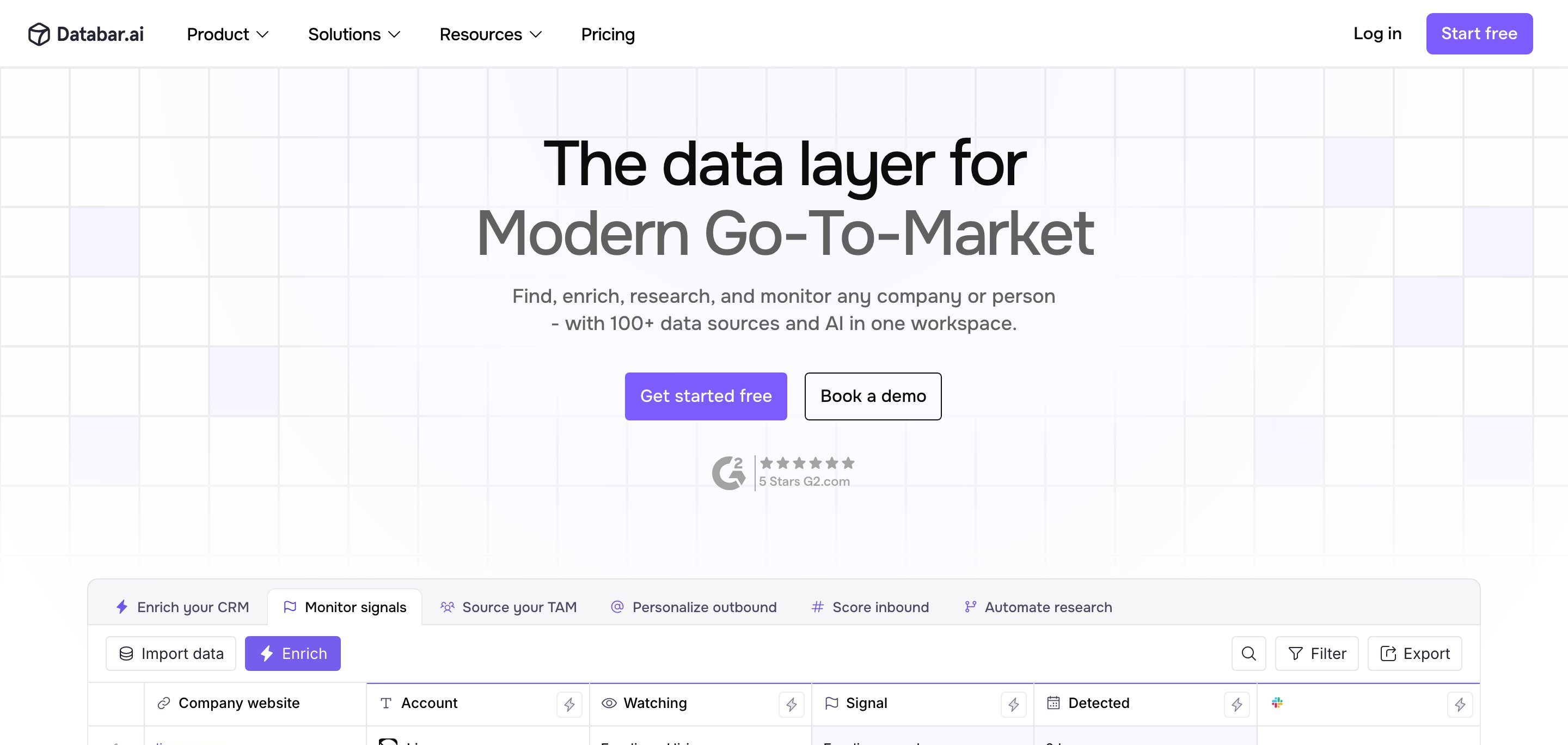
| Databar | Orchestration | 160+ sources in one workspace | Credit-based |
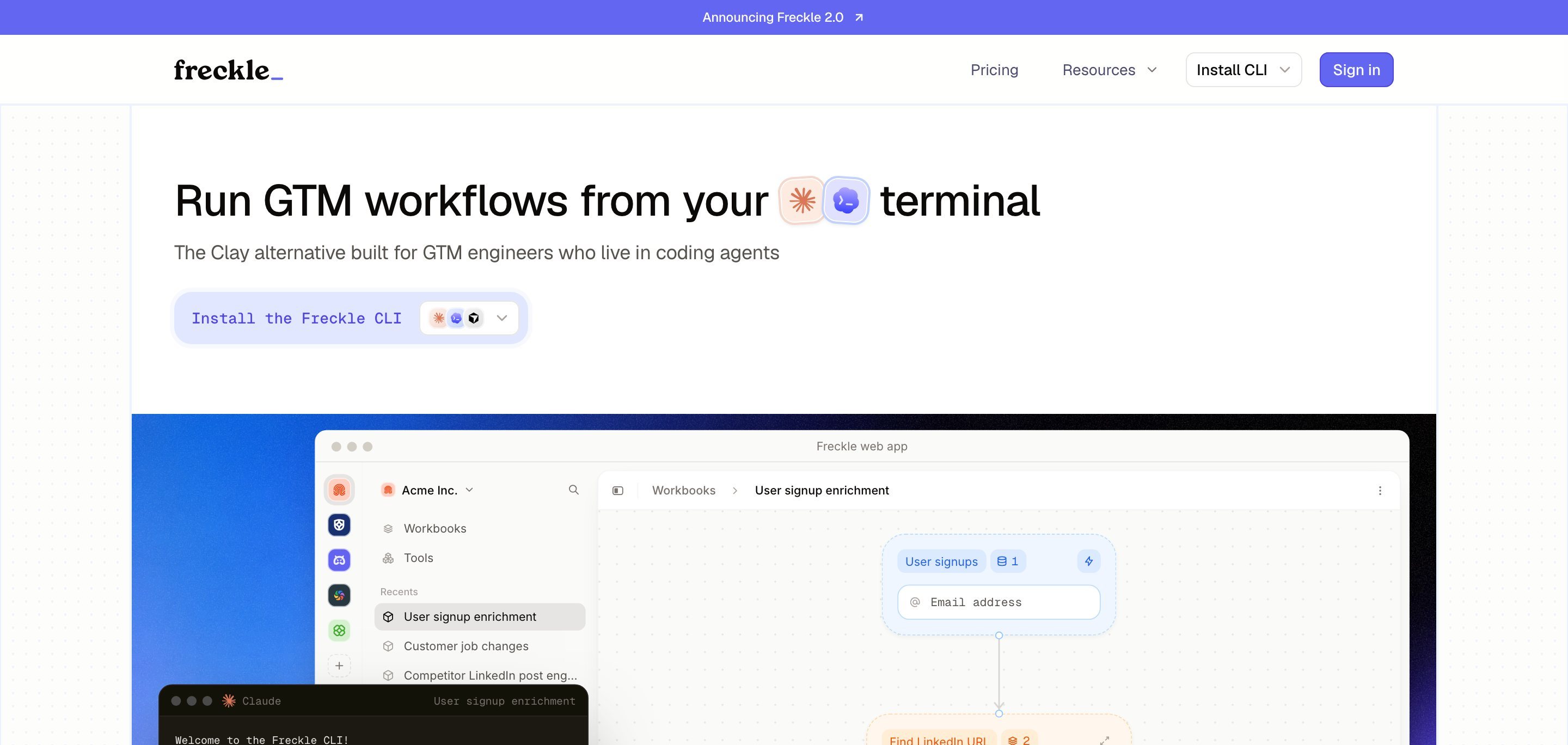
| Freckle | Orchestration | Terminal-run workflows for GTM engineers | From $99/mo |
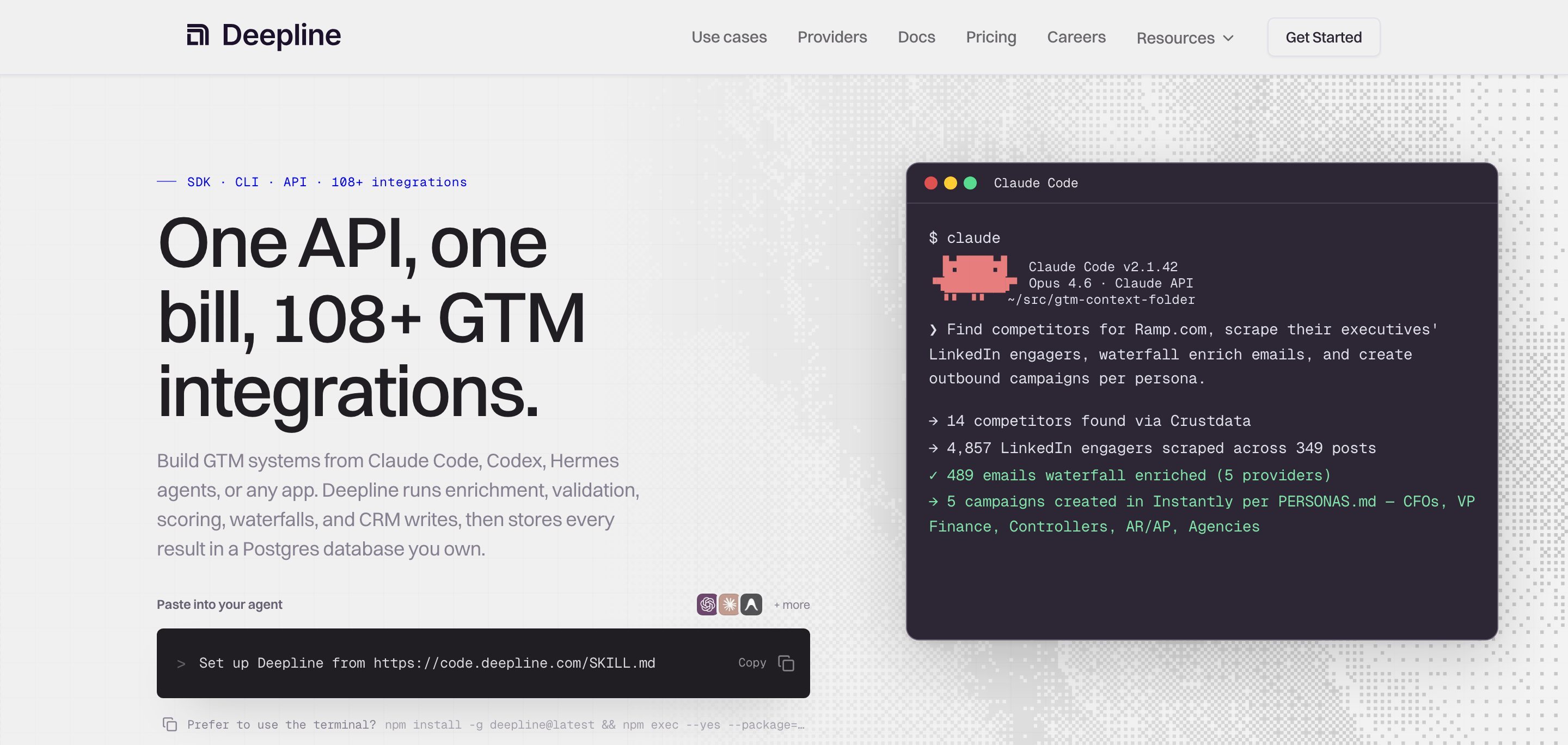
| Deepline | Orchestration | 108+ integrations, one API, one bill | Pay-as-you-go |
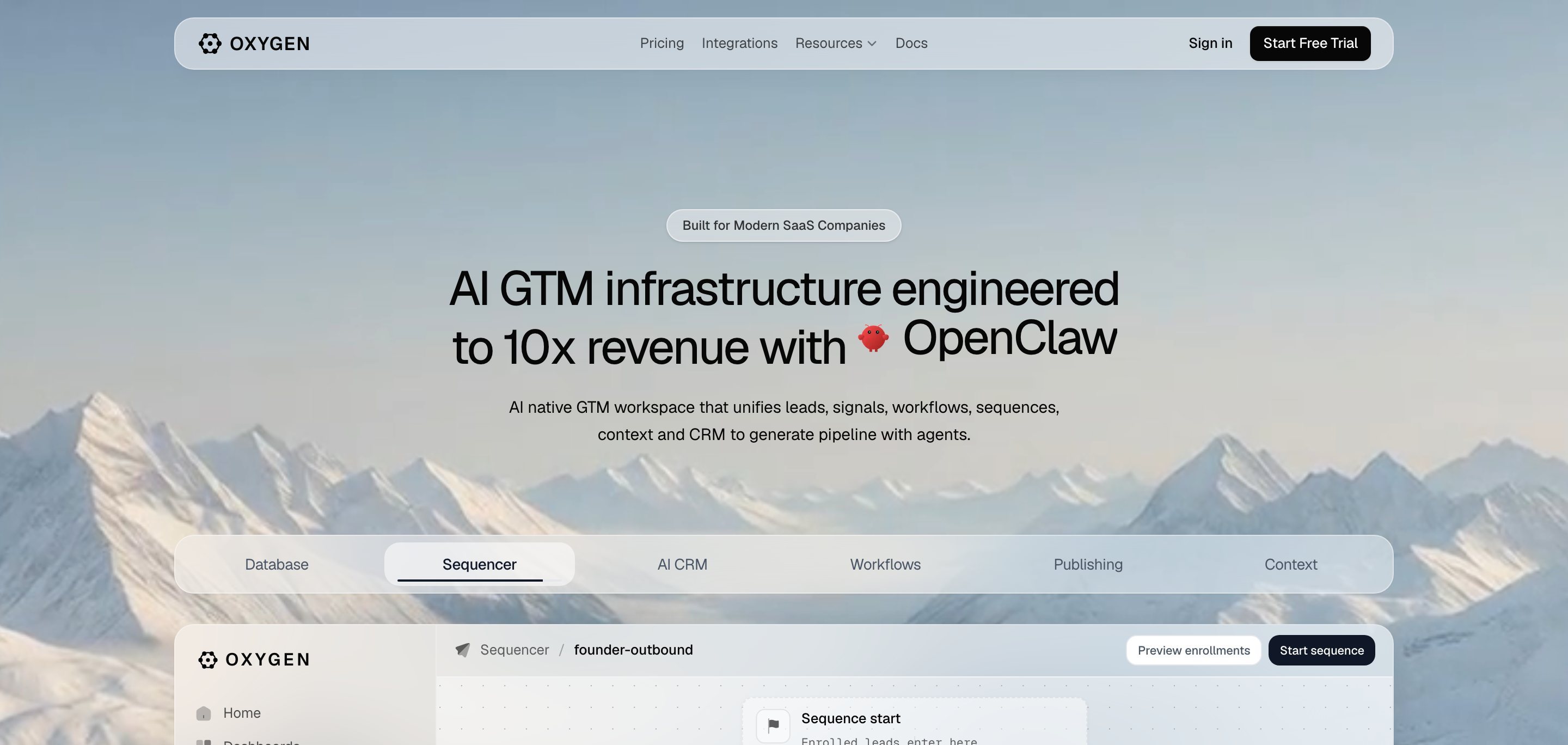
| Oxygen | Orchestration | Agent-native GTM workspace | From $99/mo |
Starting prices are the published entry tiers as of July 2026. Per-user prices multiply with team size; flat pricing covers the whole team.
Best buying signal tools for sales teams: a brief overview
Company and people event signals
Verifiable events at the account: funding, hiring, job changes, M&A.
- Signalbase: Best for teams that want net new accounts with signals, or the latest signals on a list they already have.
- Crunchbase: Good for funding history and investor relationships as reference data you can browse.
Engagement signals
A person paying attention on social, before any form fill.
- Extrovert: Good for building familiarity on LinkedIn before the outreach ever lands.
- Trigify: Good for person-level engagement signals routed into workflows and agents.
The orchestration layer
Routes signal feeds and enrichment into your engine.
- Clay: Best for GTM engineers orchestrating signal feeds and data vendors in one table.
- Databar: Good for teams that want 160+ data sources behind one spreadsheet and flow builder.
- Freckle: Good for GTM engineers who want Clay-style workflows run from the terminal.
- Deepline: Good for teams that want 108+ GTM integrations behind one API and one bill.
- Oxygen: Good for teams running GTM through Claude Code, Codex or MCP agents.
What are B2B buying signals?
B2B buying signals are observable events that suggest a company is worth a conversation now: a funding round, a senior hire, an executive departure, a prospect engaging with your space on social. Sales teams also call these trigger events, and the definition matters because it excludes most of what gets sold under the word.
A useful buying signal has three properties. It is verifiable, so there is a source you can check before acting. It is attributable, so it ties to one company or one person rather than an anonymous aggregate. And it is fresh, because the value decays in days. We keep the full definition in the glossary, alongside how it differs from intent data.
Freshness is the property with a number on it. In our study of 474 funded companies the median gap between a round and the first job posting was 35 days, and the fastest movers were inside two weeks. For a sales team, a signal acted on this week is an advantage. The same signal in next month's list export is everyone's, which is what buying signal tools exist to prevent.
The two buying signal families, and the layer underneath
Something happened at the account or to a person in it. A funding round, a senior hire, an exec departure, an acquisition. Verifiable, datable, attributable.
Someone is paying attention. A prospect posting about a problem you solve, engaging a competitor, or warming to your content on social.
Not a signal source. The layer your signal feeds and data vendors plug into: tables, flows and agents that combine them with enrichment and route the result into your CRM or sequences.
Most buying signal lists mix these three into one ranking, which is how a social listening tool ends up compared against a funding database. They answer different questions. Events tell you what happened at the company. Engagement tells you someone is paying attention, and it stays an inference about interest rather than a company event, which can mislead on its own. You need the company signals next to it to map the full story. Orchestration decides where all of it lands.
One scope note. Signal-based GTM is much more than running outbound. Website visitor signals, paid ads signals and product usage signals are real families too, and they feed marketing and product motions of their own. We keep this page to the outbound slice, because that is where most teams searching for buying signals need clarity first.
How we chose these buying signal providers
First cut: which family. A provider is only comparable to others in its own family, and the biggest buying mistake in this category is comparing across them.
Second cut: evidence. Signals that arrive with a source you can check outrank scores that ask to be trusted.
Third cut: where it stops. Every entry names its own limit, including ours. A guide where the author's product has no weaknesses is an ad.
Company and people event buying signals
The verifiable family: funding rounds, hiring signals, job change signals and M&A. Each is a datable event with a source, which lets signal detection run at the account level and gives a rep something to reference in a message without guessing.
Signalbase
Company & people events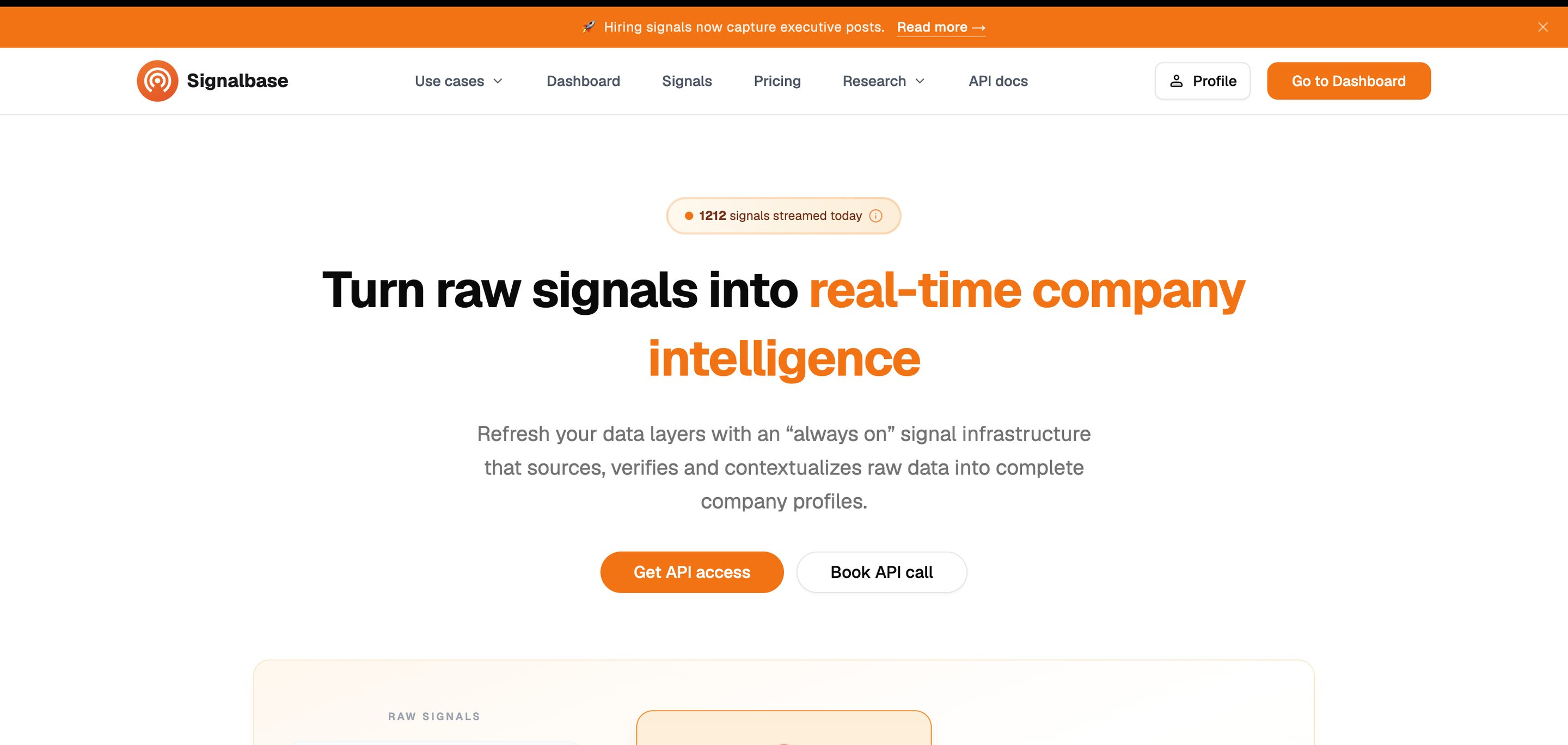
Crunchbase
Engagement buying signals
The attention family, and the closest thing to person-level buyer intent. These providers watch social platforms for the moments that precede a conversation: a prospect posting about the problem, engaging a competitor, or warming to your content.
Extrovert
Trigify
The signal orchestration layer
Orchestration tools are not signal sources. They sit underneath your signal feeds and data vendors as the layer everything plugs into, combining them with routing logic, and every serious signal stack ends up running one.
This layer is also where custom signals live today. The trigger that defines your niche, a fleet expanding or a regulation triggering, is usually nobody's product, so teams build it here themselves. That works, demands real GTM knowledge, and produces a workflow rather than a standalone signal. Custom signals are not an established category so far. We are building that route into Signalbase, with custom signal families coming in Q4.
Clay
Databar
Freckle
Deepline
Oxygen
Which buying signal tool do you need?
One caution before the omissions. Buying a B2B signal provider is not a silver bullet. A signal opens the conversation at the right moment, and everything after it, the message, the offer, the follow-through, still has to be yours. The teams that get value treat signals as context inside a bigger company story rather than as a trigger to fire off a sequence.
Buying signal providers that didn't make the list
6sense, Bombora, Demandbase and ZoomInfo Intent sell broad intent data: aggregated, topic-level, priced for enterprise ABM. That is a different purchase with different math, and we sorted it separately in the best intent data providers.
Ad intelligence signals are real: a company starting to run ads is a buying signal for agencies and martech vendors, and ad libraries make it observable. We skipped the family here to keep this list focused, and it deserves its own treatment.
LinkedIn Sales Navigator carries genuine signals inside it, saved-account alerts above all, and most teams should treat it as part of the prospecting stack rather than a signal provider. We covered it in the best B2B prospecting tools.
Get verified buying signals the moment they happen
Funding, hiring, job change and M&A signals with the source attached, delivered the moment they happen.
Start your 7-day trial. 500 credits included.
B2B buying signals FAQ
Go deeper
The research behind the signal argument
The umbrella guide: every signal type sorted, from funding and hiring to website visitors and topic intent.
474 funded startups and a measured window between the round and the first observable hire.
Why the event belongs in the reasoning rather than the first line.